Every immigrant, refugee, or third-culture kid knows the feeling:
There’s a suitcase that never fully unpacks.
Not the one with clothes.
Not the one that smells like airport terminals, customs stamps, or the last home you left.
But the one packed with identity.
Inside are things you didn’t choose, but that came with you anyway.
Pieces of language.
Fragments of religion.
Generations of expectations.
A recipe written in your grandmother’s handwriting.
A memory of being scolded for speaking the “wrong” language in the “wrong” place.
A poem you don’t know how to translate.
Pride, trauma, joy, guilt, all folded together.
In the West, you’re often told, silently or not, to assimilate.
To soften your name.
To make your difference palatable.
To be “diverse,” but not “too much.”
Your identity becomes a costume: wear it on culture day, take it off at the office.
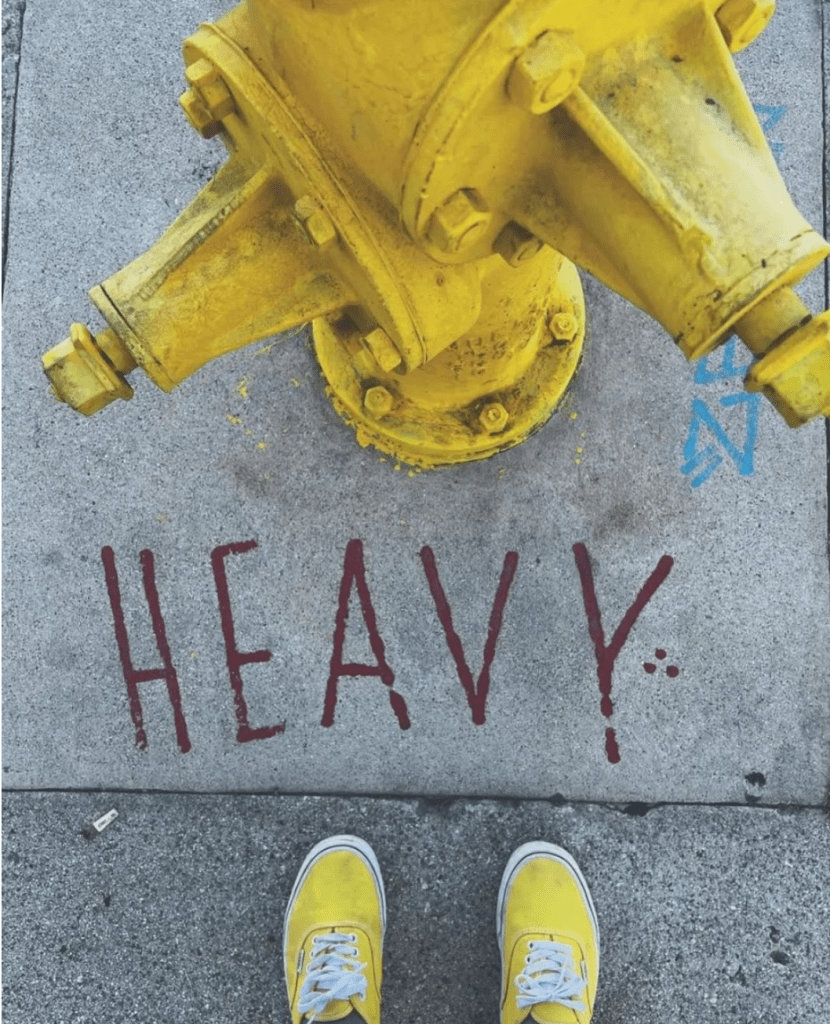
In the Arab world, the demand is different, but just as heavy.
You’re expected to preserve.
To keep the culture pure.
To behave, to remember, to not embarrass the family.
To not lose yourself to the West, even if it’s where you now live, love, or dream.
So what do you do?
You become a translator of self.
You adjust your voice.
Your dress.
Your posture.
You laugh differently depending on who’s in the room.
You hide your tattoos, or your faith, or your partner.
You carry two sets of stories, one for your family, one for your friends.
You explain your choices. You soften your truth.
You shrink, subtly.
So you can fit.
And for a while, maybe that works.
You learn how to survive by shape-shifting.
You make everyone comfortable
Even if it means becoming uncomfortable in your own skin.
But then something shifts.
Maybe it’s age. Or love. Or exhaustion.
Maybe it’s the longing to just exist without translating.
Maybe you’re tired of closets, metaphorical or literal.
Maybe you’re tired of holding your breath.
So, slowly, gently, you start unpacking.
You look at each piece in that suitcase
Not with guilt, but with curiosity.
What still fits?
What feels true?
What brings you joy?
What hurts, and are you ready to let it go?
What was inherited in fear, and what do you now carry in love?
You begin to see that identity isn’t something you must defend or preserve in its original form.
It’s something alive.
It’s something that can grow.
You’re not rejecting your roots, you’re growing deeper into them, on your own terms.
You realize that you can still be Arab, even if you speak English better than your mother tongue.
You can still honour your ancestors, even if you challenge some of their beliefs.
You can still belong, even if your version of belonging looks different.
You become someone who is rooted and free.
Faithful and evolving.
Grateful and questioning.
And the suitcase?
It may never fully unpack, and maybe that’s okay.
Maybe some things are meant to travel with us.
But now, you decide what stays, and why.
This piece is a love letter to those in-between:
To the ones who’ve carried too much, too quietly.
To the ones who are no longer willing to perform their identity, but to live it.
It’s a reminder that you are not betraying anyone by becoming yourself.
In fact, you are honouring everyone who came before you
by refusing to disappear.

Leave a comment