Tag: therapy

  • Behind the Veil: Freedom and Control

    أَعْطِنِي حُرِّيَّتِي أطلق يَدَيَّ

    We, Arab women, are told that certain coverings, whether draped over our heads, wrapped around our bodies, or stitched silently into our thoughts, are our protection, our honour, our virtue. We’re taught they are “the best way,” the path of respect, faith, and dignity. But often, that “choice” was never ours. It was handed down like an heirloom no one dares to refuse, from fathers, brothers, grandfathers — and in many households, mothers became the keepers of these rules, expected to guard and enforce them.

    Growing up in the Middle East, I noticed that some Arabs equate ‘openness’ with staying out late, drinking alcohol, or flaunting luxury, the iPhones, the cars, the botox. Freedom, they suggest, is measured by visibility and display. But in my observation, freedom is not in these symbols. Behind all these signs of “openness,” many women remain caged, tethered by invisible strings to boundaries we didn’t choose, boundaries that shape every step we take.

    The headscarf is only one kind of veil. Others are harder to see: the rules whispered in our homes, the limits we feel in our bones, the judgment that trails us even when no one is watching. Whether we remove the cloth or keep it on, the weight of expectation clings to us.

    True openness is not the hour we leave the house or the brand of shoes we wear. It is the ability to decide for ourselves, to move, speak, dress, and live without being pulled back to a cage we never built. It is the courage to interrogate every rule, every expectation, every inherited “must” and “cannot.”

    The hardest truth? Some boundaries in the Middle East were created by men, enforced by tradition, and passed down through the very women who were once bound by them, mothers, aunts, grandmothers, who believe they are protecting us. Protection becomes control when obedience is the price.

    Breaking free is not just about what we take off. It is about what we unlearn. It is a rebellion of thought, a claiming of our own voices, a quiet revolution in the mind. It is naming the cage, loosening the strings, and knowing, with unshakable certainty, that our lives, our bodies, our choices, and our voices are ours alone.

    And when we speak this aloud, when we lift not just the veil on our heads, but the veil on our minds, the walls begin to crack. And in that first breath of air, we understand freedom not as society defines it, but as we feel it deep in our own skin.
  • Her Body Is Not Your Honour

    Defiance

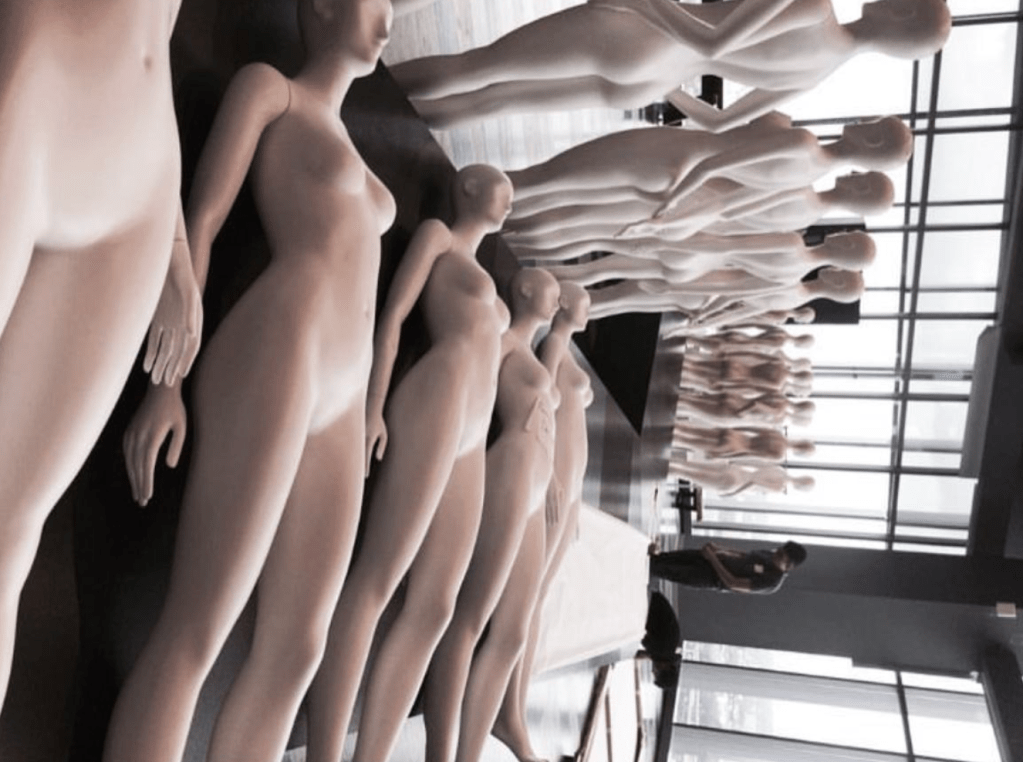
    In too many corners of the Middle East, a woman walks through life carrying not just her own reputation, but the reputation of her entire family, community, even tribe, on her body.

    Not on her achievements.
    Not on her intellect.
    Not on her dreams.
    But on her body, how she dresses, where she goes, who she’s seen with, whether her virginity is “intact,” whether she speaks too freely, whether she smiles at the wrong time, whether she says no.

    Honour is not something she earns.
    It’s something they take from her, and claim as their own.

    Let’s Call It What It Is: Obsession.

    Society claims it’s protecting women.
    What it’s really doing is controlling them, through an obsession with sex cloaked in the language of “honour.”

    If she wears something revealing, she must be asking for attention.
    If she stays out late, she must be doing something dirty.
    If she lives alone, she must be sleeping around.
    If she laughs in public, dances, travels, breathes too loudly, her “value” is in question.

    She is no longer pure.
    No longer respectable.
    No longer worthy.

    Because in this twisted logic, a woman is only as valuable as the assumptions made about what she does, or doesn’t do, with her body.


    Her Body Becomes Everyone’s Business. Except Hers.

    She doesn’t get to own her image.
    She doesn’t get to define her reputation.
    She doesn’t get to exist freely, without being interpreted, sexualised, moralised, criminalised, by everyone else.

    The moment she claims agency over her own body, the moment she says, “This is mine, not yours”, she becomes dangerous.
    Cheap.
    Immoral.
    Unmarriageable.

    But a woman who’s silent, obedient, invisible, who folds herself small and stays inside, she’s pure.

    She’s the good one.

    She is suffocating, but at least she is “honourable.”


    What Kind of Honour Is That?

    What kind of culture places a family’s reputation inside a girl’s hymen?
    What kind of logic ties morality to modesty but excuses violence, gossip, and male entitlement?
    What kind of honour only survives if a woman is silent, shamed, and scared?

    When a man rapes a woman, her reputation is destroyed — not his.
    When a woman chooses to speak, to love, to live — her family feels dishonoured, not empowered.
    When a woman breaks free from the suffocating expectations, they say she’s too Westerntoo wildtoo free.

    But what they really mean is: too unowned.


    Honour Is Not in Her Body. It’s in Her Humanity.

    Real honour is raising daughters who know they belong to themselves.
    Real honour is teaching boys that respect is not conditional on control.
    Real honour is protecting a woman’s right to choose, not punishing her for it.

    And real shame?
    It’s not in her jeans, her makeup, her dancing, or her decisions.
    It’s in the hands of those who judge her, harass her, stalk her, slut-shame her, beat her, and call it love.


    To Every Girl Tired of Being Watched, Judged, and Reduced to Her “Purity” — You’re Not Alone.

    You are not a symbol.
    You are not a vessel for family pride.
    You are not a walking, talking object of shame or restraint.

    You are a whole human being.
    With a body that belongs to no one but you.
    With honour that lives in your character, not your virginity.
    With freedom that is yours by birthright, not by permission.

    Enough is enough.
    We are done tying a woman’s worth to the size of her dress, or the silence of her voice.
    This culture of policing women under the name of “honour” is not protection.
    It’s oppression.
    And it ends with us.