By: Rula M.
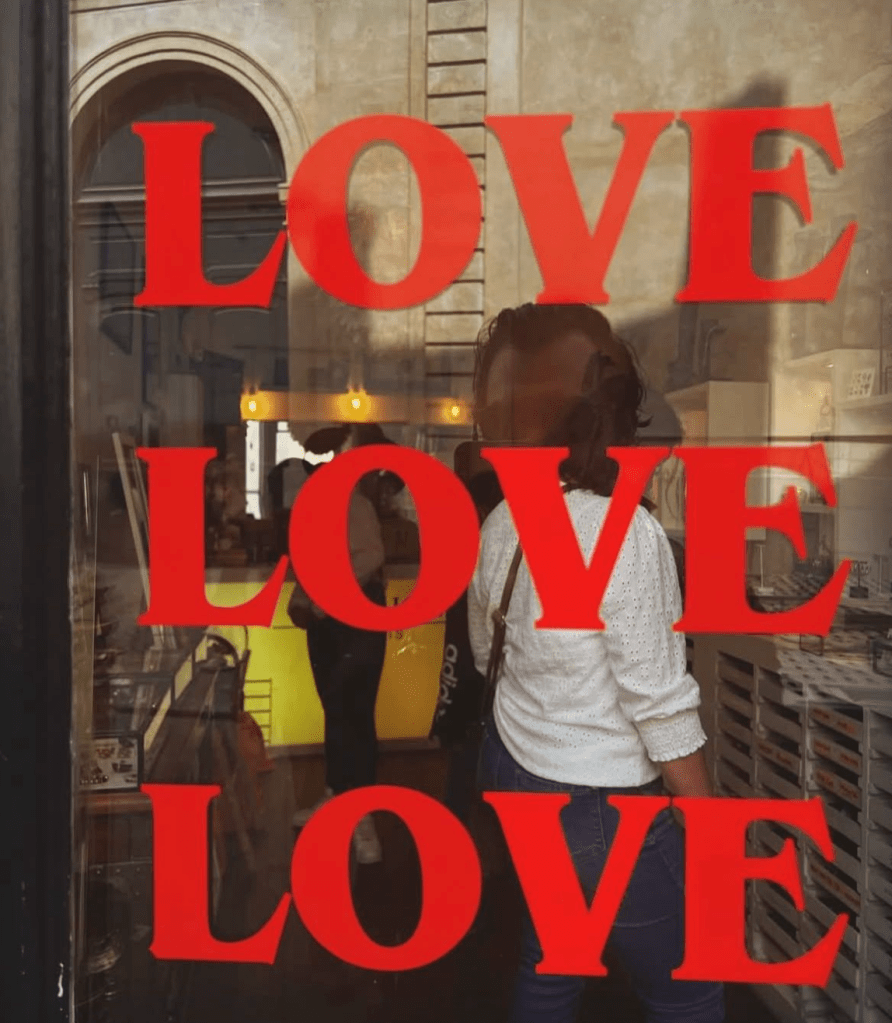
When people picture the Middle East, they often imagine ancient cities, deep-rooted traditions, and breathtaking beauty. Yet behind the postcards lies another reality—one that rarely enters mainstream conversations. It is the story of women who love women. Women who do not fit the mold. Women who dare to be both Arab and queer in a world that tells them they cannot be either fully.
History reminds us that queerness in the Arab world is not new. Long before colonial borders and imported laws, love between women existed here, sometimes quietly, sometimes boldly. It lived in poetry, in literature, in stolen glances, and in the lingering silence between two women who understood each other beyond words. While queerness was not always named as an identity, it was undeniably present.
That presence, however, faced erasure. Colonial rule imposed laws that criminalised queer relationships, while rigid interpretations of religion and nationalist movements reinforced the idea that queerness was something shameful, dangerous, and foreign. What had once simply been a part of human experience became a source of fear and suppression.
For queer Arab women today, danger is not always visible in police raids or prison sentences. It is more subtle, but just as suffocating. It lives in the expectations of family and community. It appears in the panic before opening a message, in the coded language used to hide affection, in the hesitation before sharing a photograph or speaking a beloved’s name. The pressure to conform is constant: love is supposed to be for a man, desire is meant for a husband, and freedom, if it exists at all, comes only after marriage.
Yet despite these pressures, queer Arab women continue to love. They create spaces of resistance in the everyday. They hold hands in the dark, celebrate pride behind closed curtains, and nurture bonds in secrecy. They face devastating losses when lovers are forced into arranged marriages or silenced by so-called “honour.” Some are outed, beaten, or disowned. Others suffer far worse. And still, they endure.
This endurance is not passive survival, it is an act of defiance. In hidden gatherings, in art and poetry, in whispered voice notes that vanish after being played, queer Arab women find each other. They form chosen families, offering the acceptance that biological families sometimes withhold. They keep alive the truth that queerness is not an imported identity, but a thread woven into the region’s own cultural and historical fabric.
To be a queer Arab woman, then, is to live with a double heartbeat: one for survival, one for self. It means learning to disguise, to soften, to hide, and yet refusing to disappear. It means carrying the heavy cost of silence while insisting that one’s existence is holy, worthy, and unerasable.
The world tells queer Arab women that they cannot be Muslim and gay, Arab and feminist, faithful and free. It insists that their love is shameful and their bodies battlegrounds. But their very existence proves otherwise. Every choice to live authentically, every act of love, every refusal to surrender is a quiet revolution.
For those still in hiding, still waiting or unsure, there is an important truth: you are not alone. You are not unnatural. You are not a mistake. You are the future, not despite where you are from, but because of it.
One day, this love will no longer be whispered. It will no longer be hidden, punished, or erased. It will be written in full, written in Arabic, in defiance, and in fire.
